Vacant Property Cleanout
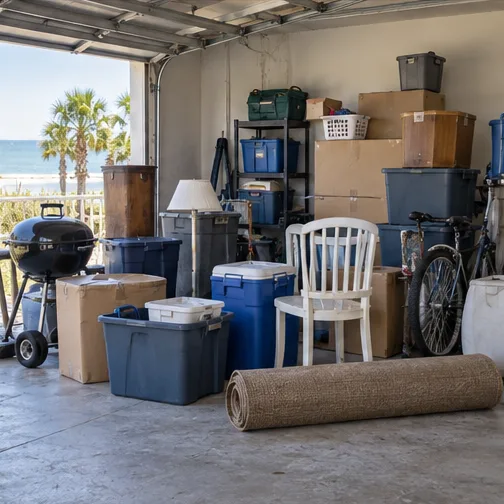
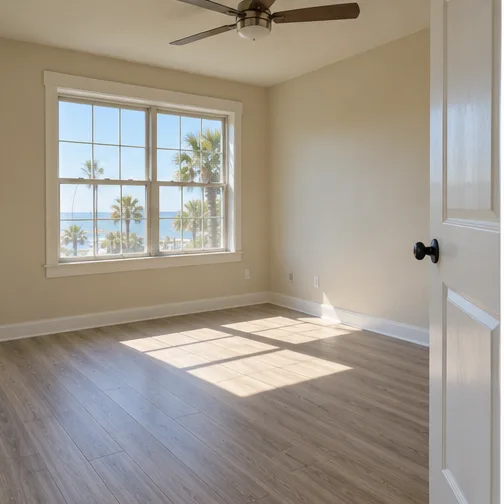
Vacant homes often hide work in closets, garages, cabinets, and outdoor storage. A room-by-room inventory helps define the load before the crew arrives.
Items commonly included
The final scope depends on item condition, disposal requirements, and the on-site review.
- Household furniture and loose contents
- Garage and storage-area items
- Bagged non-hazardous waste
- Appliances identified and prepared in advance
What affects the plan
- Rooms and storage areas included
- Condition and volume of remaining material
- Driveway, gate, and loading access
- Items that require separate handling or cannot be accepted
Set the boundary before the crew arrives
Keep records, keys, medication, valuables, and anything with uncertain ownership away from the removal area. Paint, fuel, chemicals, pressurized cylinders, and other hazardous materials need separate approval or an appropriate local disposal program.
CleanLine handles
Loading and hauling the approved household-item scope.
Confirm separately
Legal eviction work, utility disconnection, detailed cleaning, repairs, pest service, and hazardous-material handling.
Prepare with a useful checklist
Read the companion field note before you send photos or walk the property.
Read the guide →Questions about vacant property cleanout
Do I need to be at the property?
An authorized contact needs to arrange access and be reachable for scope questions. Remote approval may work when entry, item decisions, and the final walkthrough are clearly documented.
Does a cleanout include detailed cleaning?
No. CleanLine’s scope is item removal and hauling. Sweeping, deep cleaning, repairs, painting, and maintenance should be scheduled separately unless a written estimate says otherwise.
Can you quote from photos?
Photos help, but hidden rooms, access conditions, heavy pieces, and loose volume can change the estimate. The team confirms the scope before work begins.
Build the scope before the turnover clock starts.
Share the property, item list, access, and deadline.